Day-by-day walkthrough of a typical NJ interior or exterior painting project — from first estimate to final inspection.
Many New Jersey homeowners dread the disruption that comes with updating their interiors. Knowing exactly what to expect during a painting project changes everything.
We see this anxiety constantly. The fear of endless dust, delayed schedules, and poor communication causes families to put off necessary home improvements for years.
Our team developed this guide to outline exactly how a structured process eliminates that chaos.
Let’s look at the data, what it actually means for your daily life, and the exact steps you can expect from start to finish.
The Standard Project Timeline
Understanding the painting project timeline NJ homeowners typically experience helps you prepare. A standard residential paint process in New Jersey typically takes five to seven days to complete a 1,500-square-foot space.
We structure this schedule to minimize the impact on your daily routine. Proper planning ensures the paint cures correctly and the finishes last.
Estimated Timeline Overview
| Project Phase | Average Duration | Key Activities |
|---|---|---|
| Walkthrough | Day 0 | Assessment, sheen selection, estimate generation |
| Prep Work | Day 1 | Masking, sanding, caulking, lead-safe containment |
| Priming & First Coat | Days 2-4 | Priming, cutting in, rolling fields, drying |
| Final Coat & Trim | Days 4-6 | Second coat application, trim painting |
| Inspection | Day 7 | Client walkthrough, touch-ups, site cleanup |
Daily Milestones and Expectations
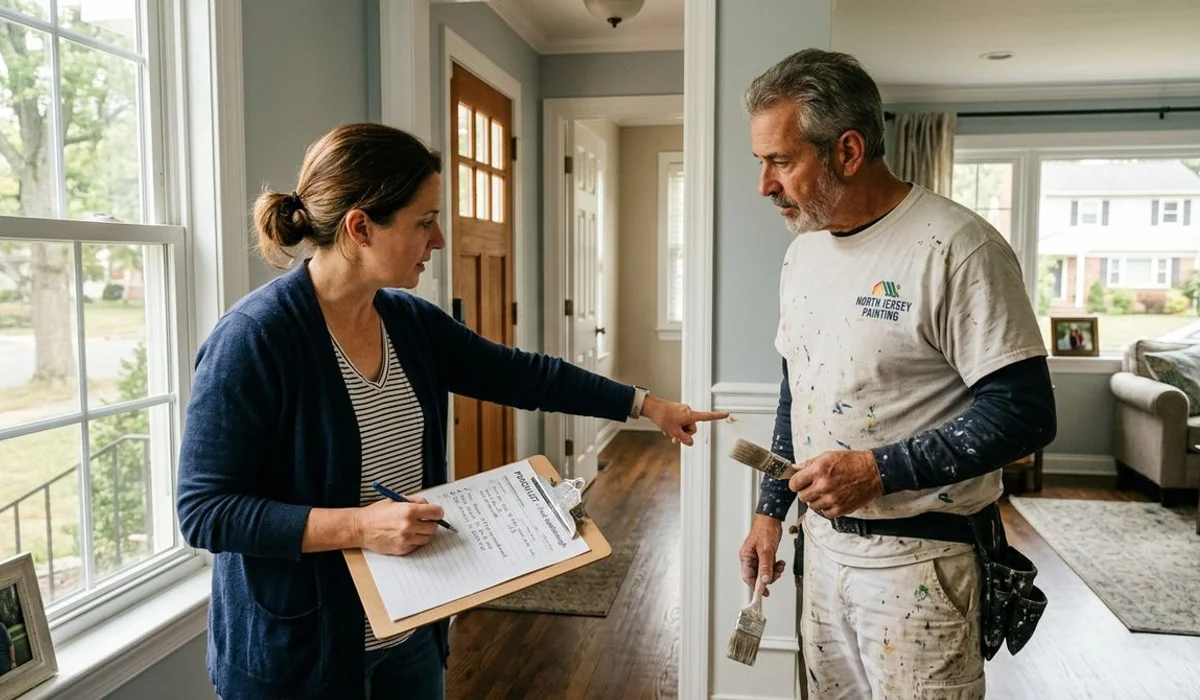
Day 0: Walkthrough and estimate. This initial step involves an on-site review, surface assessment, and a conversation about color and sheen. Our office sends an itemized estimate back within two to three business days. Homeowners appreciate having clear pricing before making any decisions.
Day 1: Prep and protection. The crew puts drop cloths down, moves furniture to room centers, and masks the trim and outlets. We focus heavily on surface preparation, which includes patching, sanding, and caulking. Homes built before 1978 fall under the Environmental Protection Agency (EPA) Renovation, Repair and Painting (RRP) rule. Our team follows these strict lead-safe protocols to protect your indoor air quality during this phase. Using specialized containment strategies prevents harmful dust from spreading.
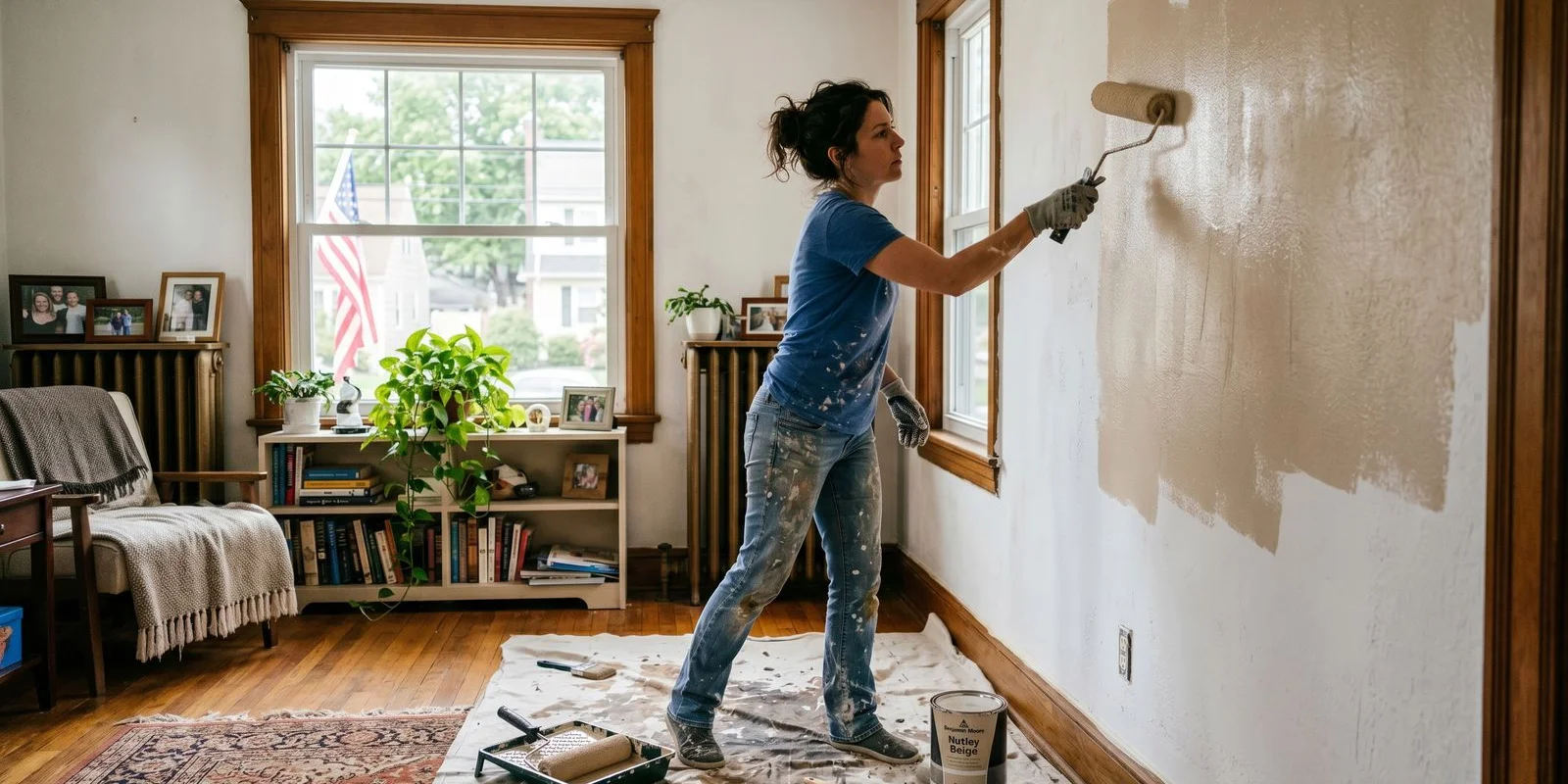
Days 2 to 4: Priming and first coat. Painters apply primer where needed, followed by the first full coat of color. We cut in the edges by hand and roll the broad fields. Summer humidity in the Northeast often exceeds 60 percent.
This moisture can extend the required drying time between coats by up to 24 hours. Our project managers monitor the climate to avoid compromising the finish. Rushing this step is a common pitfall that causes peeling later.
Days 4 to 6: Second coat and trim. A full second coat goes on the walls once the first layer is completely dry. We sand and paint the trim last to ensure crisp, clean lines. This sequence prevents wall paint from splattering onto freshly finished baseboards.
Day 7: Walkthrough and punch list. You and the crew lead walk every surface to inspect the work. Our painters complete any necessary on-the-spot touch-ups immediately. Final cleanup and furniture return conclude the project.
What a Clean Job Site Looks Like
A clean job site requires strict containment measures and daily debris removal.
We treat your property with respect by isolating the workspace from your living areas. Modern dust control technology makes a massive difference in residential settings.
According to 2026 EPA guidelines, a true High-Efficiency Particulate Air (HEPA) vacuum captures 99.97 percent of particles down to 0.3 microns. Our crews use these certified HEPA vacuums to capture fine drywall and sanding dust. This prevents the abrasive particles from circulating into your central air conditioning vents.
Daily Site Management Standards
Here is exactly what you should expect from a professional crew:
- Complete Floor Protection: Drop cloths go down before any paint is opened.
- Furniture Shielding: Plastic covers remain on all furniture and fixtures.
- Hardware Management: Outlet plates and switch plates are removed, labeled, and replaced.
- End-of-Day Cleaning: A daily broom and HEPA vacuum routine ensures the space stays tidy.
- Organized Equipment: Tools and debris are staged securely, never left scattered.
- Spill Prevention: Air-tight can handling ensures no open paint cans are left on trim or wood floors.
Many contractors try to cut corners by using standard shop vacuums retrofitted with HEPA-style filters.
We avoid this common mistake because standard vacuums leak fine particulate matter back into the room. Insisting on certified equipment keeps your family safe from airborne irritants.
How Communication Works
Clear communication happens through a single point of contact and daily progress updates.
We assign a dedicated project manager to handle every detail from start to finish. This structure eliminates confusion and keeps you informed at every stage.
Many frustrations in construction stem from a lack of transparency. Our team utilizes field service apps like Jobber to provide real-time updates directly to your phone. In 2026, leading contractors rely on these platforms to share schedules, invoices, and daily photo documentation.
The Painter Daily Routine and Updates
You will receive a text update at the end of each working day.
We include specific details about what was completed and what is scheduled for tomorrow. If something changes, like an unexpected wood rot finding or a color change you are considering, the process pauses.
Our manager writes the modification down and secures your approval before any extra work happens. Getting change orders in writing prevents surprise charges on your final bill.
See how to choose a painting contractor in NJ for the exact questions you should ask up front.
We encourage every homeowner to verify these communication standards before signing an agreement. Start planning your project today by requesting a detailed estimate so you know exactly what to expect during a painting project.