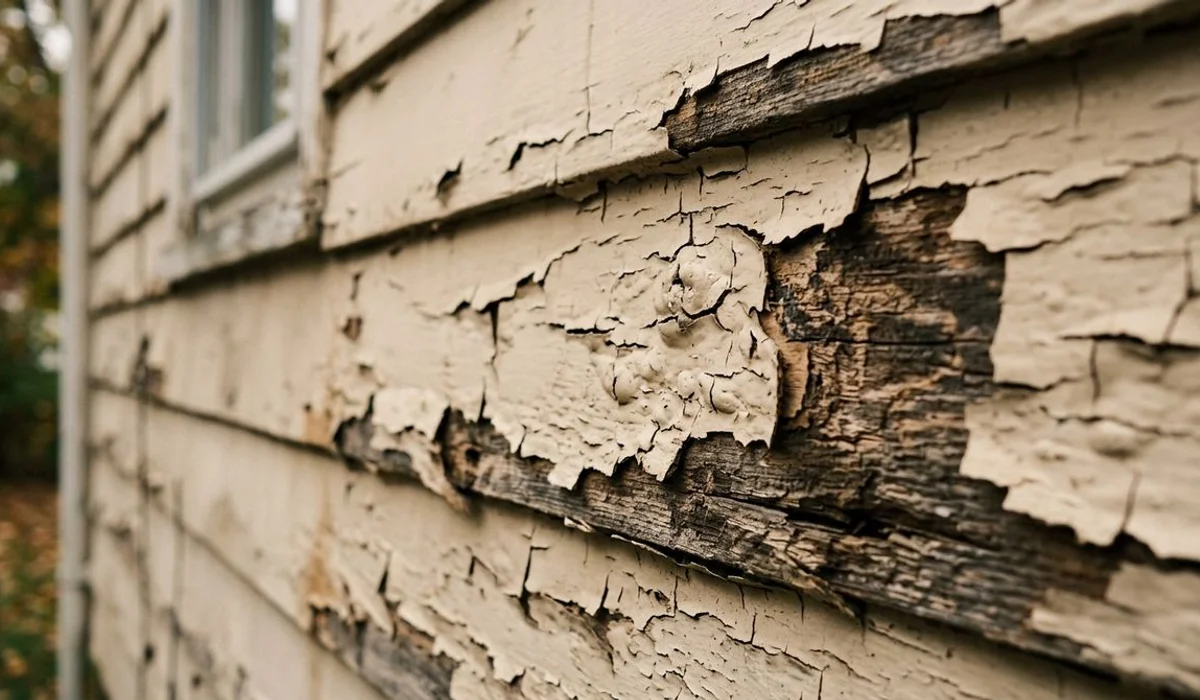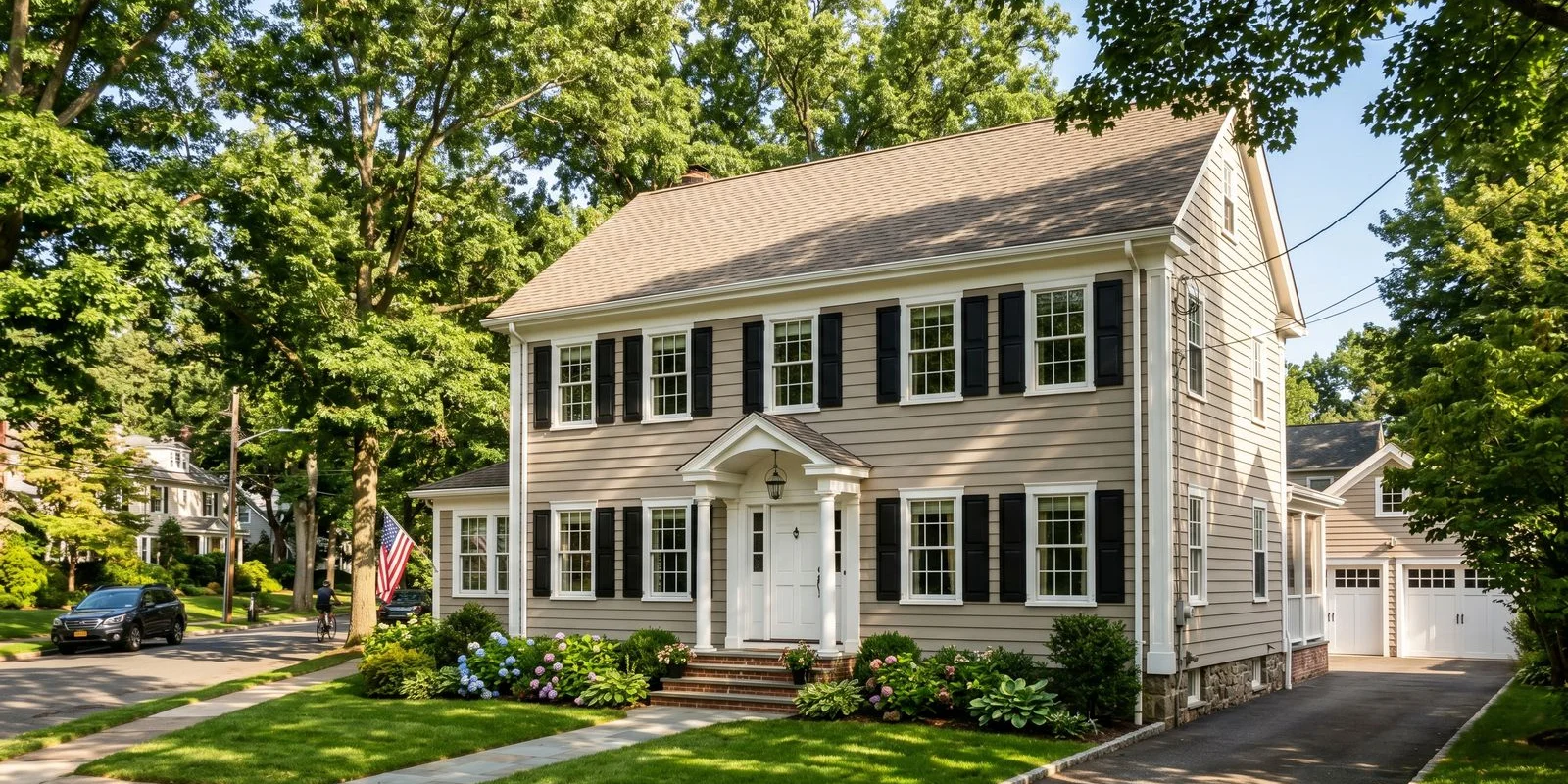
Expected repaint intervals by siding type in Northern NJ — wood, fiber cement, vinyl, aluminum, and stucco.
We frequently see homeowners completely caught off guard by failing siding because they waited too long. The truth is that waiting for visible damage means moisture has already infiltrated the wood. Understanding exactly how often to repaint exterior nj properties is your best defense against a massive repair bill.
This simple maintenance schedule separates a standard $5,000 project from a $15,000 siding replacement.
Our crews have documented hundreds of local exterior failures over the past decade. These patterns show us exactly what causes premature peeling and how smart homeowners prevent it. Let’s look at the hard data on material lifespans and explore the most practical ways to protect your investment.
Typical Repaint Intervals (Northern NJ)
We always recommend evaluating your specific siding material before setting a budget for a new project. The average exterior paint lifespan nj weather allows is roughly seven to ten years for most wood homes. Modern acrylic formulations have significantly changed these baseline expectations for local properties.
Upgrading to a premium product like Benjamin Moore Aura or Sherwin-Williams Duration can easily add two to three years of life. These high-build paints cost a bit more per gallon, but they offer superior resistance to fading and moisture. You will save thousands by stretching the time between full repaints.
Our 2026 pricing analysis shows that a standard exterior job in this region currently runs between $2.00 and $5.50 per square foot. Let’s review the average timeline for different substrates to help you plan ahead.
| Siding Material | Typical Lifespan | Recommended Coating Type |
|---|---|---|
| Cedar Clapboard | 5 to 10 years | Solid-color stain lasts longest |
| Painted Wood | 7 to 10 years | 100% Acrylic latex |
| Fiber Cement (HardiePlank) | 8 to 15 years | Factory finish lasts up to 15 years |
| Vinyl Siding | 5 to 7 years | Vinyl-safe formula (avoids warping) |
| Aluminum | 8 to 12 years | DTM (Direct to Metal) acrylic |
| Stucco | 7 to 15 years | Elastomeric paint blocks micro-cracks |
What Cuts Lifespan
Our local environment is incredibly harsh on protective coatings. The combination of intense summer humidity and brutal winter freeze-thaw cycles creates rapid expansion and contraction. This constant movement forces weak finishes to split much faster than the national average.
Preparation is always the most critical factor for longevity. Applying fresh color over chalking surfaces or loose dirt will turn a ten-year product into a three-year disaster.
We see many expensive failures caused by using the wrong formula for the substrate. Standard acrylics applied to vinyl siding will actually warp the plastic under direct sunlight. Here are a few other primary factors that drastically shorten your exterior repaint interval:
- Severe Freeze-Thaw Cycles: Water expands when frozen inside tiny masonry cracks. This rapidly breaks the bond between stucco and the coating.
- Intense Southern Exposure: Ultraviolet rays degrade binders quickly. South-facing walls typically lose 20 to 30 percent of their lifespan compared to shaded elevations.
- Inadequate Attic Ventilation: Trapped humidity inside the home pushes outward through the siding. This moisture pressure creates large blisters that pop and peel.
- Salt-Laden Air: Homes near the Jersey Shore experience rapid corrosion. Salt particles break down the paint barrier and expose bare wood.
Early Warning Signs: Don’t Wait
We strongly advise property owners to perform a visual inspection every single spring. Catching minor coating failures early prevents water from rotting the underlying trim boards. Replacing rotten fascia boards currently costs an average of $15 to $30 per linear foot.
Knowing exactly when to repaint house nj properties requires a proactive approach. You should walk the perimeter of your building and look closely at the joints around windows and doors. Watch for these specific failure indicators:
- Heavy Chalking: Rub your bare hand across a sunny wall. A thick layer of white dust means the resin binder is actively breaking down under UV exposure.
- Persistent Mildew: Green or black spots on north-facing elevations indicate that water is resting on the surface too long.
- Failing Caulk Lines: Hairline cracks around window trim provide a direct path for rainwater to infiltrate the wall cavity.
- Fugitive Pigment Fade: Deep reds and bright blues degrade faster than lighter tones. Severe fading means the protective barrier is growing thin.
- Localized Flaking: Once peeling starts on a lower trim board, the bond is permanently broken. You must repaint the entire elevation to prevent the failure from spreading laterally.
Strategic Touch-Ups vs Full Repaint
Our maintenance teams use a phased approach to maximize the return on your painting investment. You do not always need a complete overhaul if the majority of the coating remains tightly bonded. Implementing a strategic wash and touch-up routine will easily extend your full repaint window by two full years.
Annual power washing is highly recommended to remove corrosive dirt and pollen. Most local homeowners schedule a soft wash around the three-year mark to eliminate mildew and refresh the color.
We suggest adopting the following maintenance timeline for optimal protection:
- Years 1 to 2: Perform basic visual inspections and rinse away surface dirt with a standard garden hose.
- Years 3 to 5: Schedule a professional soft wash and mildew treatment. Scrape and touch up any isolated peeling spots near the foundation. Re-caulk all visible cracks around window trim.
- Years 7 to 10: Plan for a comprehensive full repaint. This includes deep pressure washing, extensive scraping, fresh primer, and two topcoats across all elevations.
It is much cheaper to maintain a sound surface than to rebuild a neglected one. To understand the exact mechanisms behind these common failures, see why exterior paint peels in Northern NJ for detailed explanations.
We hope this breakdown clarifies the true costs and timelines associated with maintaining your property. Ignoring the early warning signs will only accelerate structural damage and inflate your final repair bill. Knowing how often to repaint exterior nj homes gives you the power to protect your biggest investment.
Call a local professional today to schedule a thorough siding evaluation. This quick inspection will help you secure your home against the elements for the next decade.